
How ChatGPT is Becoming the Testbed for Enterprise AI

ChatGPT is silently becoming the testbed for enterprise products that we’re building at Lyzr.
Here’s the story. ChatGPT is something that almost every corporate user has access to today. We’re talking about ChatGPT nearing a billion users, and that’s a huge number.
What’s happening now is fascinating — we’re seeing folks from various teams within an organization — from a claims processing manager to a loan servicing manager to an HR manager to a sales manager to a marketing manager — all using ChatGPT in their personal capacity. They’re automating small parts of their work, or, more often, just using it as a brainstorming co-pilot.
Eventually, they get so hooked that they start asking for the same experience inside their organization. They want the exact same features they enjoy on ChatGPT — the same reasoning, the same convenience — but now, they want it in the form of an agentic AI system that can do the same work, securely, inside their enterprise stack.
When ChatGPT Becomes the Wireframe
I’m discovering this pattern as I speak with more and more customers. When I ask them, “Show us how you’re doing things today,” they don’t bring out process maps or whiteboard drawings. Instead, they open ChatGPT and show us their conversations.
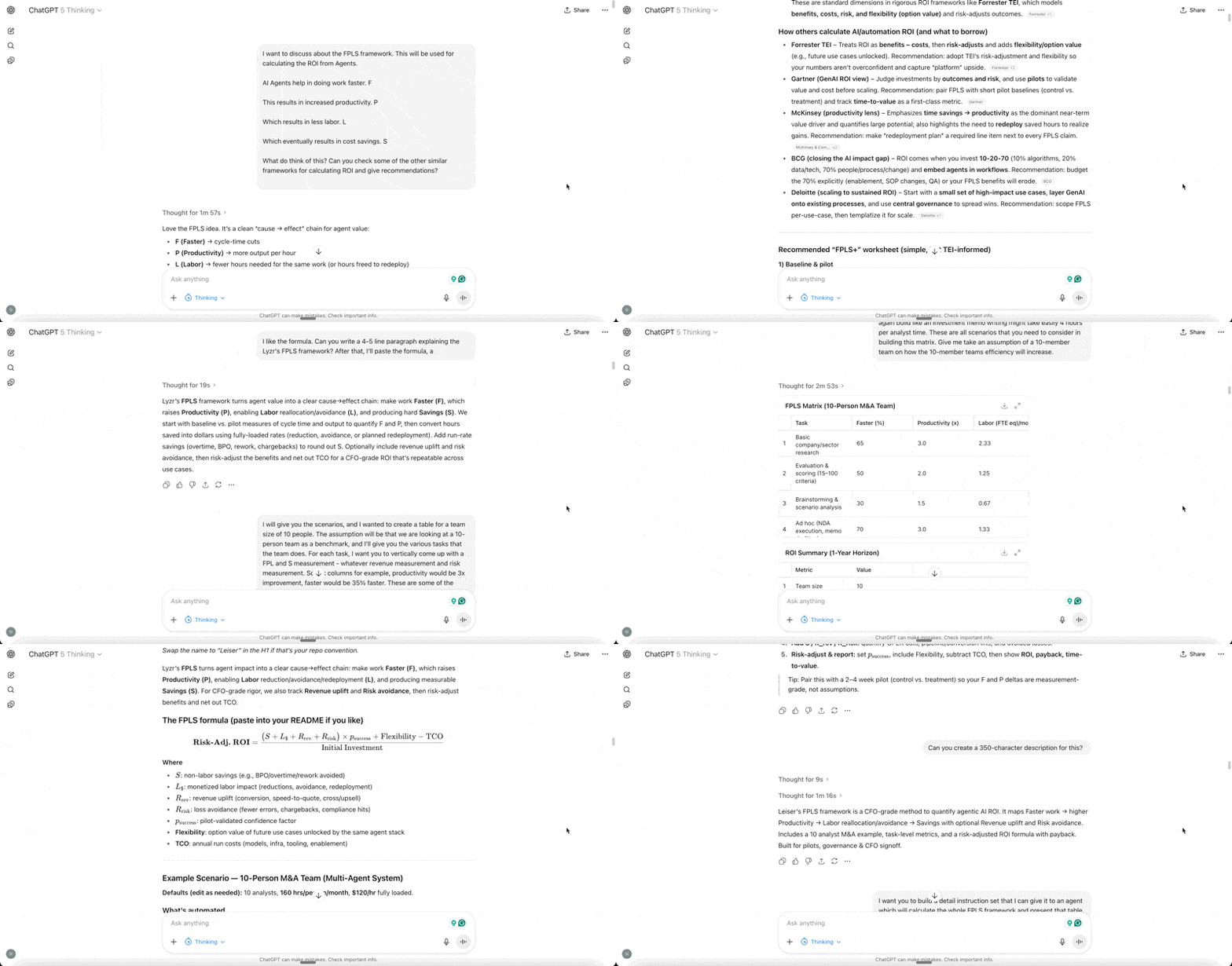
Most of these enterprise workflows start as to-and-fro ChatGPT chats. And for our agent architects at Lyzr, it’s actually the best thing possible — because we can see the reasoning steps, the context, and the flow of thought.
From there, all we need to do is convert those interactions into a multi-agent system, where each prompt becomes the foundation for a system agent. When these agents are strung together, they replicate a multi-threaded conversation that achieves the same end goal — but now, as a fully automated agentic AI system.
That’s why I often say: a lot of our agentic AI ideas today actually come from ChatGPT. It’s like the whiteboarding you do before you build your wireframes.
From Conversation to Experience
What’s even more interesting is that enterprise users don’t just want to replicate ChatGPT — they want to elevate it.
They’re asking for the same underlying capability, but not necessarily in a conversational chat UI. They want a better user interface, a richer user experience — one that’s more dynamic, contextual, and suited to their specific use case.
It’s similar to how we visit our friends’ or relatives’ homes, admire their décor and wall art, and then want the same for our own home. ChatGPT has become that inspiration — a canvas for experimentation. And now enterprises want to bring that same brilliance into their own walls.
Let me give you a couple of examples.
I was speaking with a venture partner at one of the world’s largest venture firms. She told me she uses ChatGPT every single day to evaluate startups, brainstorming with it to analyze companies from various angles — and that these conversations often influence her decision-making.
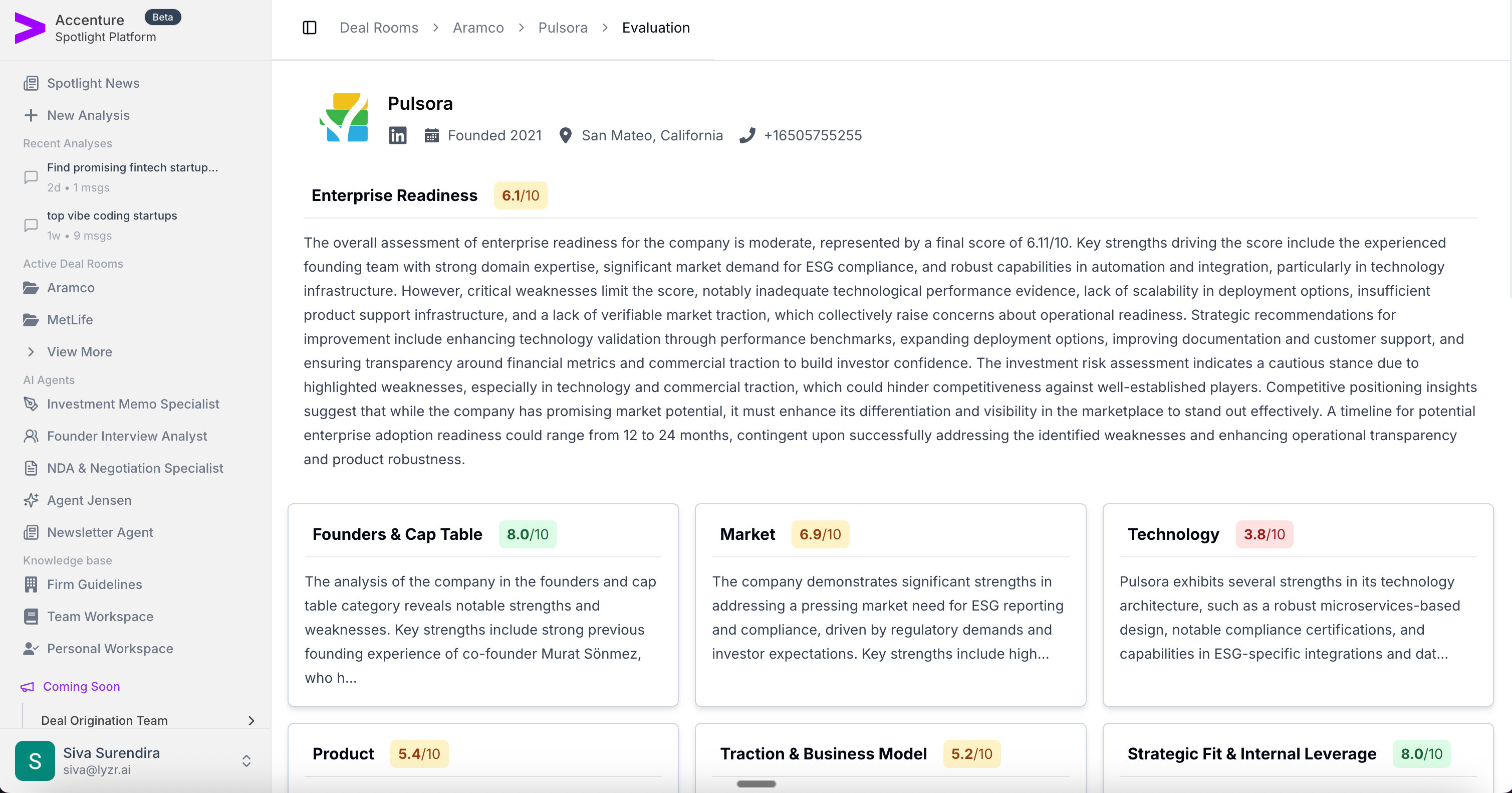
A few weeks down the line, we built a fully agentic AI system in partnership with Accenture that automates the evaluation of startups across 88 different parameters.
Now she doesn’t have to do those to-and-fro ChatGPT chats anymore. The entire process runs on agents — and all she has to do is look at the agent evaluation scorecard and make a decision.
Here’s another one.
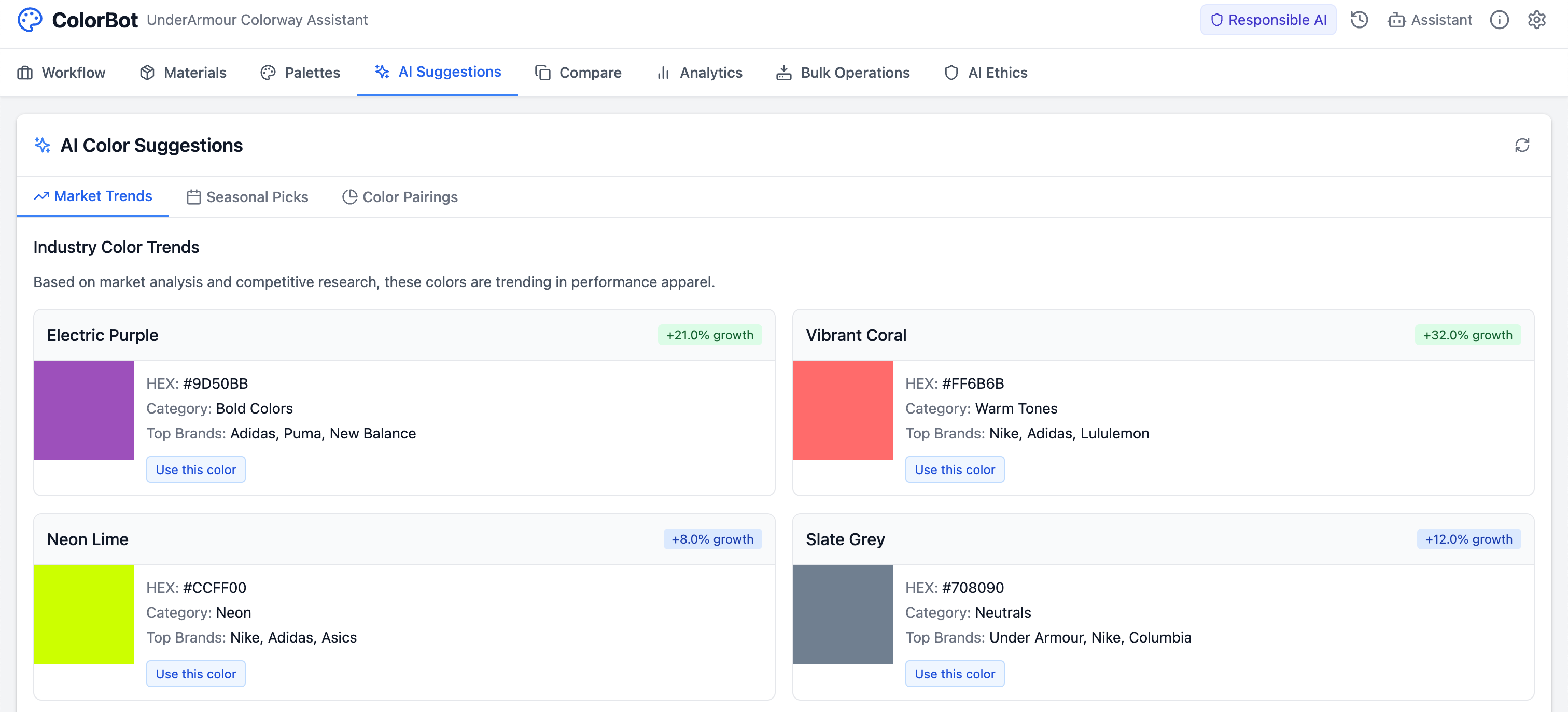
A product team at a large consumer goods firm had been using ChatGPT to brainstorm color combination ideas for their product lines. They also wanted to ensure their color choices wouldn’t offend any particular race or ethnicity — a thoughtful and complex challenge.
After countless back-and-forth conversations with ChatGPT, they eventually asked the same question many teams ask: “Why should we reset context every time? Isn’t there a better way to do this?”
A few weeks later, we had a fully agentic AI system that knew the context, had pre-built templates, and could ask just a few quick questions from the user. The system could now brainstorm, reason, and even render color combinations visually in the UI — helping them decide faster and with greater confidence.
Instead of a chat interface, they now have a purpose-built user interface, perfectly tailored to their workflow.
ChatGPT as the Canvas
These examples capture something fundamental about this moment in AI. ChatGPT is no longer just a conversational assistant — it’s becoming the canvas on which enterprises are sketching their next generation of systems.
Companies like Lyzr step in to take those sketches — those free-form ChatGPT explorations — and turn them into fully orchestrated agentic AI systems, powered by knowledge graphs and hardened with our agent simulation engine.
ChatGPT is the place where ideas are born. Lyzr is where they come to life.